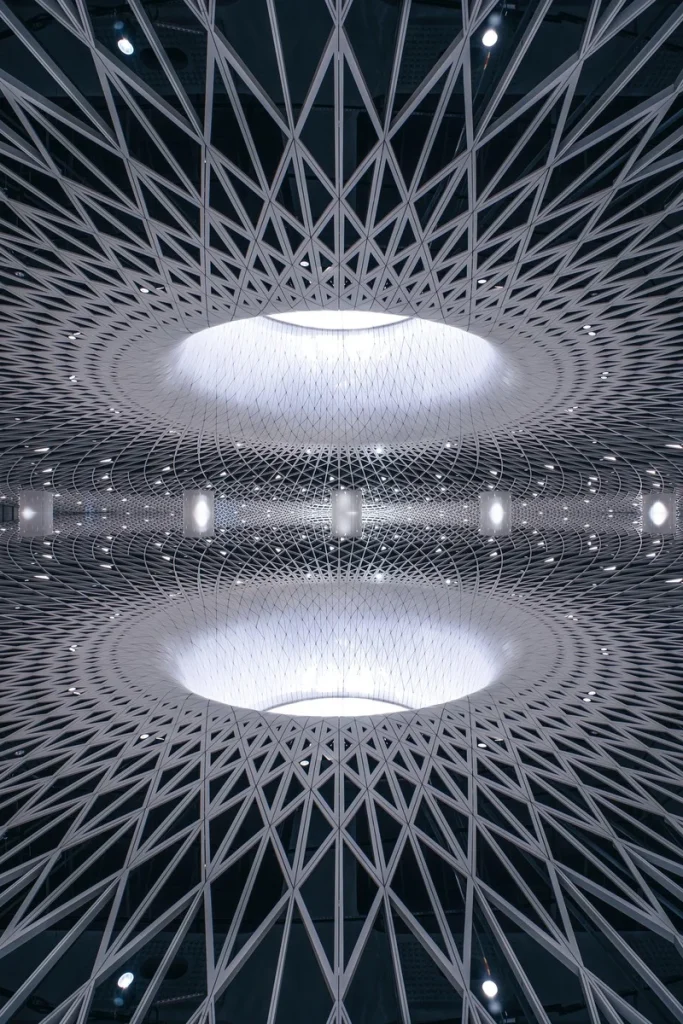

Shenzhen Eye refers to the iconic dome and skylight at Gangxia North metro station, one of the largest subway stations in Asia. This guide covers the best angles, lighting, and tips for capturing its symmetrical architecture. Whether you are a photography enthusiast or a curious traveler, this landmark offers a unique urban photo opportunity.
What Is Shenzhen Eye?
Gangxia North station is a massive interchange hub in Shenzhen, claimed to be one of the largest metro stations in Asia. Its nickname “Shenzhen Eye” comes from the station’s central dome, which features a circular skylight that lets in natural light. The interior is designed with multiple levels and geometric lines, creating a symmetrical and grand aesthetic that attracts architecture fans from around the world.
Best Photo Angles for the Dome and Skylight
To capture the full impact of the Shenzhen Eye, position yourself at these key spots:
- Directly below the dome – Use a wide-angle lens to frame the entire skylight and the surrounding geometric patterns.
- Upper levels – Walk up to the mezzanine or higher platforms to shoot down at the dome, emphasizing the symmetry.
- Escalators and corridors – The station’s long lines and repeating shapes create strong leading lines toward the dome.
- Reflections – Polished floors can mirror the dome, doubling the visual impact.
Ideal Lighting and Time of Day
The skylight makes natural light photography particularly rewarding. For the best results:
- Early morning (8:00–10:00 AM) – Soft light enters the dome, casting subtle shadows on the geometric surfaces.
- Late afternoon (3:00–5:00 PM) – Warm sunlight creates contrast and highlights the lines.
- Avoid peak hours – Weekday rush hours (7:30–9:00 AM and 5:00–7:00 PM) have heavy foot traffic that can crowd your shots. Mid-morning or early afternoon on weekdays is quieter.
How to Reach Gangxia North Station
Gangxia North is a major interchange station on Shenzhen Metro Lines 2, 10, 11, and 14. It is easily accessible from most parts of the city. For example, from Luohu or Futian, take Line 2 (orange) directly. The station has multiple exits, but the main dome is visible from the central concourse area. Check the current metro map for the best route from your location.
Tips for Shooting in a Busy Metro Station
Gangxia North is a functioning transport hub, so keep these tips in mind:
- Respect station rules – Photography is generally allowed, but tripods may be prohibited or require permission. Use a monopod or a high ISO setting instead.
- Be quick and discreet – Avoid blocking walkways or escalators. Take a few well-composed shots rather than lingering.
- Use a fast lens – Indoor lighting can be mixed, so a lens with a wide aperture (f/1.8 or f/2.8) helps capture sharp images without flash.
- Watch for security – Station staff may ask you to stop if you appear to be using professional equipment for commercial purposes. A small camera or phone is usually fine.
Nearby Attractions for Additional Photo Spots
After exploring the station, consider visiting other futuristic architecture in the area. For more inspiration, check out our guide to an architecture tour of Gangxia North station or find a futuristic architecture photographer to join you.
FAQ
Is photography allowed inside Gangxia North station?
Yes, personal photography for non-commercial use is generally permitted. However, professional or commercial shoots may require prior approval from the metro authority. Always comply with any instructions from station staff.
Can I use a tripod in the station?
Tripods are often discouraged in busy areas to avoid obstructing passenger flow. You may be asked to put it away. A small tabletop tripod or a gorillapod might be more acceptable, but it is best to check with station management beforehand.
What is the best time to visit for photography?
Weekday mornings (around 9–11 AM) or early afternoons offer the best balance of natural light and fewer crowds. Avoid rush hours and weekends if you want clear shots of the architecture.
How much time should I spend at the station?
Plan for about 30 minutes to an hour to explore the main dome area and try different angles. If you want to visit multiple levels, allow up to two hours.
Do I need a metro ticket to enter the station?
Yes, you need a valid metro ticket or transit card to pass through the fare gates. You can purchase a single-journey token at the ticket machine or use a Shenzhen Tong card for convenience.
Need local help in Shenzhen?
Planning a custom photo itinerary or want a guided tour of Shenzhen’s architectural gems? Our local guides can help you discover hidden spots and avoid common pitfalls. Request a quote for a personalized experience.