
Shenzhen Bay Port is one of the most technologically advanced border crossings in China. While rumors of security robots circulate, the reality is a blend of automated systems and human oversight. This guide explains what you’ll actually encounter and how to prepare for a fast, hassle-free entry.
Overview of Shenzhen Bay Port’s Modern Facilities
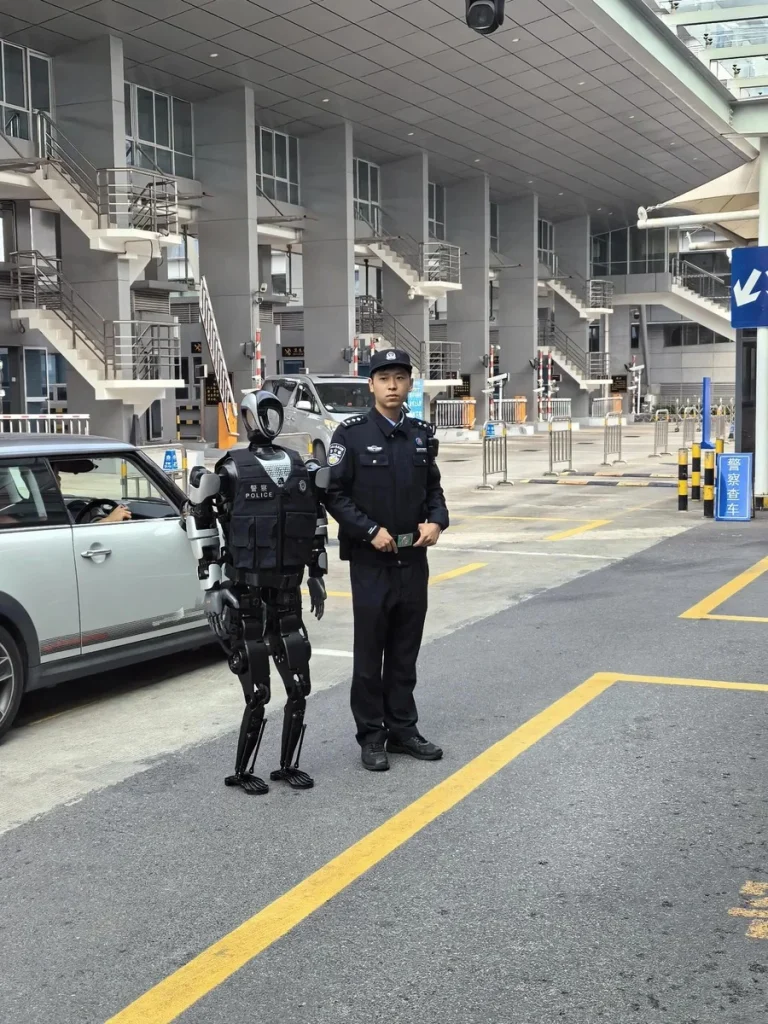
Shenzhen Bay Port opened in 2007 and has been continuously upgraded with cutting-edge technology. It connects Shenzhen to Hong Kong’s New Territories via the Shenzhen Bay Bridge. The port is designed for high throughput, using automated gates, facial recognition, and advanced baggage screening. Many travelers report seeing autonomous patrol vehicles and robotic kiosks, leading to speculation about fully robot-run security.
Are Robots Really Used for Security at the Port?
The short answer is: partially. The port does not deploy humanoid robots on patrol, but it uses several automated systems that travelers might perceive as “robotic.” These include:
- Automated immigration gates – e-Channels that read passports and scan faces without a manual officer.
- Robotic baggage screening – conveyor belts with AI that flags suspicious items automatically.
- Autonomous cleaning and guidance robots – small vehicles that navigate the hallways, sometimes mistaken for security units.
- Facial recognition cameras – integrated with security systems to track movement through the port.
How Automated Security Affects Your Crossing Experience
The presence of these technologies makes crossing faster for most travelers, but it also means stricter adherence to procedures. Foreign visitors should expect to:
- Scan their passport at an e-Gate and look directly at the camera for facial matching.
- Submit to AI-assisted baggage checks that may flag electronics or liquids.
- Follow instructions from digital signposts, as human staff may be fewer than at older ports.
Automation reduces wait times but requires travelers to follow guidance precisely. If the system fails, a human officer assists.
Tips for a Smooth Entry at Shenzhen Bay Port
To avoid surprises, keep these tips in mind:
- Ensure your passport is machine-readable and not damaged.
- Fill out any arrival cards neatly – some kiosks still accept paper forms as backup.
- Remove sunglasses and masks when approaching facial recognition cameras.
- Declare any restricted items – robots are programmed to spot undeclared goods.
- Have your Hong Kong crossing receipt ready if you arrived via the bridge.
For a stress-free trip, consider booking a local guide service that can assist with port procedures.
FAQ
Will a robot check my passport?
Not exactly. You will use an automated e-Gate that compares your face to the passport photo. It’s a machine system, not a walking robot.
Are there security robots patrolling the area?
You may see small autonomous vehicles that clean or guide passengers, but they are not security robots. Human officers handle any security incidents.
What happens if the facial recognition fails?
A human border officer will step in and process you manually. It’s helpful to have a printed visa or invitation letter for backup.
Can I use my phone at the port?
Yes, but Wi-Fi may require Chinese registration. It’s better to have a roaming plan or buy a local SIM at the port shop.
Is the robot security system reliable?
Generally yes, but like all technology, it can have glitches. Allow extra time during peak hours. For more details on crossing, see our guide on crossing from Hong Kong.
Need local help in Shenzhen?
Navigating high-tech ports can be confusing. Our local guides can meet you at Shenzhen Bay Port, help with immigration, and take you to your destination.